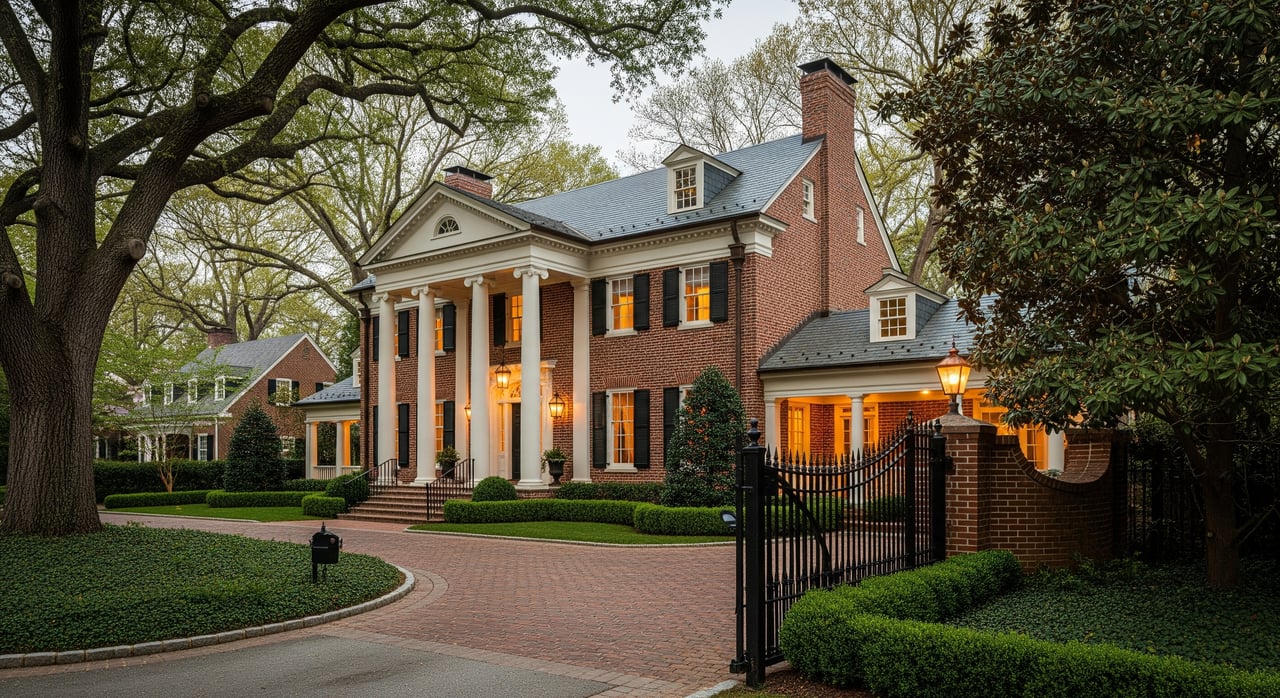
Have you ever scrolled past a Roswell listing that’s been sitting for 45 days and wondered what it really means? You are not alone. Days on Market, or DOM, shows time, not quality, and without local context it can mislead you. In this guide, you’ll learn what DOM actually measures, why Roswell’s micro-markets change its meaning, and how to use it for smarter pricing and negotiation. Let’s dive in.
Days on Market defined
DOM is the number of days a home is publicly listed as active until it goes under contract or is removed. It measures exposure time, not desirability. A low DOM can signal strong demand or sharp pricing. A high DOM can stem from many factors, including price, presentation, timing, or access for showings.
Different sources track DOM in different ways. Your local MLS usually starts counting when the listing goes active and stops when it goes under contract. Public portals often show “days on that portal,” which can start later than the MLS and exclude some status periods. Some systems show cumulative days across relists while others reset the counter when a home is withdrawn and re-entered.
Status changes can also affect what you see. Coming Soon time often does not count toward MLS DOM. Price reductions typically do not reset DOM. Withdrawn, expired, or temporarily off market periods may reset DOM depending on MLS policy. For Roswell specifics, rely on the local MLS record and a knowledgeable agent who can explain the listing’s status history.
Why Roswell context matters
Roswell contains diverse micro-markets that move at different speeds. The same DOM can mean different things block to block.
- Historic and downtown Roswell: Smaller lots and older homes near walkable amenities often attract buyers seeking character. Inventory can be tight, and stand-out homes can move quickly when priced to market.
- Suburban subdivisions from the 1990s and 2000s: Larger homes with HOA considerations and school-driven demand can show DOM that tracks new competing listings in nearby suburbs.
- Newer luxury and larger-lot homes: The buyer pool is narrower, so DOM often runs longer, especially when pricing sits above close competitors.
- Condos, townhomes, and active adult options: In more affordable price bands, DOM can be shorter due to broader buyer demand.
Seasonality in Roswell
Seasonality shapes what “normal” looks like. Spring often brings more buyers and lower DOM for in-demand homes. Summer stays active but can slow around school and travel schedules. Fall and winter typically see fewer buyers and longer DOM for similar properties. A 45-day DOM in late December can be routine, while that same number in April might signal overpricing or a presentation gap.
Price bands and buyer pools
Lower-priced homes tend to move faster because more buyers can compete. Upper-end homes can take longer due to a smaller pool. Always interpret DOM within the home’s price segment and current inventory levels for that segment.
What drives DOM up or down
DOM responds to the basics: pricing, presentation, marketing, access, and timing. Small improvements can make a big difference.
- Pricing strategy
- Aggressive pricing designed to spark interest can lower DOM and create multiple offers.
- Market-based pricing informed by solid comparables supports a reasonable DOM and predictable negotiations.
- Overpricing stretches DOM, invites price cuts, and can raise buyer skepticism.
- Presentation and condition
- High-quality photos, virtual tours, accurate descriptions, and professional staging often reduce DOM by increasing online clicks and in-person showings.
- Deferred maintenance or dated finishes can extend DOM unless the price reflects the needed updates.
- Curb appeal and quick cosmetic fixes can shorten time to contract with Roswell’s buyer pool.
- Marketing and timing
- Launch timing, listing-day tactics, broker exposure, and open house strategy can shift DOM.
- Targeted outreach to likely buyer profiles reduces wasted exposure days.
- Access and constraints
- Limited showing windows, occupancy restrictions, and special contingencies can keep a property on the market longer without reflecting actual demand.
How to read DOM on a Roswell listing
Use DOM as a signal, not a verdict. Pair it with the story behind the listing.
- Confirm the source. Is the DOM from the local MLS or a public portal? Ask which one you are seeing.
- Review status history. Note listing dates, relists, price changes, and status moves like Coming Soon, Withdrawn, or Pending.
- Compare to nearby comps. Look at comparable DOM in the same micro-market and price band.
- Check price-to-list history. Count price reductions and timing. These often reveal motivation more clearly than raw DOM.
- Factor seasonality. Judge DOM against the time of year.
- Weigh condition and marketing. Strong visuals and staging with minimal price cuts can indicate the seller is selective rather than stale.
Common DOM patterns
- Short DOM under two weeks: Often shows strong demand or sharp pricing. Buyers should expect competition. Sellers are seeing validation of strategy.
- Moderate DOM with a recent price cut: Suggests seller responsiveness. Buyers can probe motivation while expecting other interest.
- Long DOM with no price cuts and visible cosmetic needs: The seller may be firm on price. Buyers might structure offers with inspection and timing leverage.
- Long DOM with fresh staging or light updates: Treat as a refreshed listing. Cumulative DOM may be high, but the current condition has changed the value story.
Negotiation tips using DOM
DOM can support a strategy, but it should not drive the entire offer.
- Higher DOM plus price reductions usually gives buyers stronger leverage on price or terms.
- Low DOM often limits leverage. Offers may need to be near list, with stronger terms and timelines.
- Combine DOM with neighborhood trends like days-to-contract and recent sale-to-list ratios. Ask for agent feedback from showings to gauge the true temperature.
Why online DOM numbers differ
Portals sometimes lag MLS updates and may show portal-only days or omit short off-market periods. MLS DOM is the most reliable record because it tracks official status changes. When numbers conflict, ask for the MLS printout and a quick explanation of any resets or relists. If you need macro context, national research can help with definitions and trends, but rely on local MLS data for neighborhood-level decisions in Roswell.
How Richie Rich Atlanta helps reduce DOM
You get one chance to make a strong first impression online. That is why a marketing-first plan matters.
- Elevated presentation: Professional photography, 3D walkthroughs, virtual tours, and in-house videography, including music-video-style property films, help your listing stand out on every platform.
- Smart pricing support: We pair market-based pricing with a clear launch strategy to generate early momentum.
- Targeted exposure: We tailor outreach to likely buyer pools for your property type and price band.
- Transparent process: Brivity-powered dashboards keep you in the loop with real-time updates from showing feedback to contract milestones.
- Staging and repair coordination: Quick cosmetic tune-ups and strategic staging can compress DOM without major spend.
On the buy side, we interpret DOM in context, surface the full listing history, and advise on offers that fit the actual momentum of the home and the micro-market.
Next steps
If you are looking at a Roswell home, ask for a DOM comparables report in your price segment. Review listing history and price changes, compare to nearby sales, and adjust your expectations for the season. If you are listing, align pricing and presentation from day one, and make sure your marketing creates real demand within the first two weeks.
Want a plan tailored to your home and your goals? Reach out to Richie Torrance to start with a free, custom marketing plan.
FAQs
What does Days on Market mean in Roswell real estate?
- It is the number of days a home is publicly listed as active before going under contract, and it reflects exposure time rather than desirability.
Why do MLS and portal DOM numbers differ for the same Roswell home?
- Portals often track portal-only days and may miss certain status periods, while the MLS records official start, stop, and relist rules.
How does seasonality affect DOM for Roswell homes?
- Spring is typically faster, summer varies with school schedules, and fall or winter often brings longer DOM for similar properties.
Is a high DOM a red flag for a Roswell listing?
- Not by itself, so review price history, status changes, condition, and local comps before deciding what the number means.
How should a Roswell seller use DOM when pricing?
- Use recent local comps and expected seasonal demand to set market-based pricing that can create early momentum and shorten DOM.
Can better marketing really reduce DOM in Roswell?
- Yes, strong visuals, staging, targeted exposure, and a coordinated launch can increase showings and speed up time to contract.
