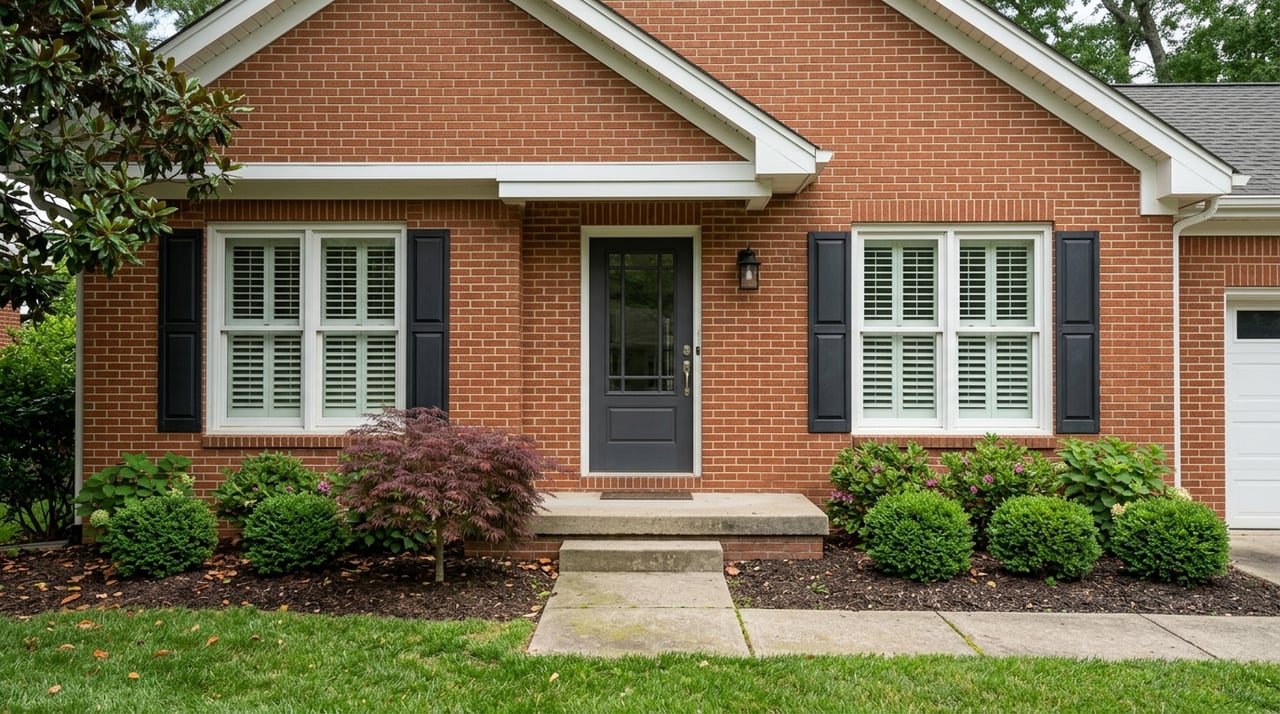
What if the biggest factor in your Roswell home sale is not the open house, but what buyers see on their phones before they ever book a showing? In today’s market, that is often exactly what happens. If you want a strong sale without wasting the first few weeks of your listing, you need a plan that puts pricing, presentation, and digital exposure in the right order. Let’s dive in.
Why marketing matters in Roswell
Roswell is not an anything-goes seller’s market right now. Recent market data shows a median sale price in the low-to-mid $600,000s depending on the source, with homes moving in about three to four weeks and a sale-to-list ratio near 98.9%. At the same time, 30.2% of homes had price drops, and only 26.7% sold above list.
That tells you something important. Buyers are active, but they are still comparing options and making choices carefully. If your home launches with weak photos, unclear pricing, or unfinished prep, you may lose momentum before the right buyers ever walk through the door.
There is another Roswell-specific factor to keep in mind. Redfin migration data suggests that 84% of buyers searching for homes in Roswell were looking to stay within the metro area, which means your listing is often competing with nearby homes, not just attracting out-of-town demand. In practical terms, your home needs to stand out against close substitutes in Alpharetta, East Cobb, Sandy Springs, and other nearby areas buyers may also be considering.
What a marketing-first sale means
A marketing-first sale does not mean flashy extras for the sake of appearance. It means preparing your home so it performs well from the moment it hits the market, especially online where many buyers first discover it.
According to the 2025 homebuyer survey, 51% of buyers found the home they purchased on the internet, while 29% found it through a real estate agent. Among buyers who used the internet, photos were the most useful listing feature at 83%, followed by detailed property information at 79%, floor plans at 57%, virtual tours at 41%, and videos at 29%.
For you as a seller, that means your first showing is usually digital. Before buyers notice the layout in person, they notice the cover photo. Before they picture furniture placement, they scan room flow, natural light, condition, and whether the home feels easy to understand.
Why the first week matters most
In Roswell, homes have been going pending or selling in roughly 19 to 27 days based on the research provided. That does not leave much room for a slow start. A listing that needs “a little time” to catch on can quickly become a listing buyers wonder about.
This is why strong sellers do most of the hard work before launch. You want decluttering, repairs, pricing decisions, photography, and property notes handled up front instead of reacting after days on market begin to stack up.
A marketing-first approach helps you avoid a common pattern: list first, fix later, reduce price after the market has already spoken. In a moderately competitive market, that can cost both time and leverage.
What buyers expect to see online
Today’s buyers are not just scrolling listings. They are comparing quality across every step of the search. NAR’s 2025 technology survey found that 47% of buyers consider an agent’s technology skills very important, and 82% respond positively when agents integrate more technology into the buying and selling process.
That makes your listing package more than a box to check. It is part of how buyers judge the home, the quality of the sale, and whether the property is worth prioritizing.
A strong digital listing often includes:
- Professional photography
- Clear room-to-room flow
- Detailed property information
- Floor plans when available
- Virtual tours or 3D walkthroughs
- Video that helps buyers understand the space
For a brand like Richie Rich Atlanta, this is where creative production can make a real difference. Professional photography, virtual tours, 3D walkthroughs, and in-house videography can help your home compete better in the places buyers already search.
How much should you spend on presentation?
Many sellers assume marketing-first means spending a fortune on staging and design. The data suggests a more practical answer.
NAR’s 2025 Profile of Home Staging found that the median spend was $1,500 when a professional staging service was used. When the seller’s agent handled the staging personally, the median spend was $500.
That range matters because it shows presentation does not have to be all-or-nothing. A smart plan usually focuses on the highest-impact updates first, rather than trying to fully redesign every room.
In the same report, 19% of sellers’ agents said staging increased the dollar value offered by 1% to 5%, and 30% reported slight decreases in time on market. Those are survey responses rather than controlled results, but they still point in the same direction: better presentation can help buyers respond faster and more confidently.
Which rooms deserve the most attention?
If you are deciding where to spend time and money, the research gives clear priorities. Buyers’ agents said the living room was the most important room to stage, followed by the primary bedroom and the kitchen.
That makes sense because these rooms tend to shape a buyer’s first impression of daily life in the home. They also show up repeatedly in listing photos, video walk-throughs, and saved listing previews.
If your budget or timeline is limited, start here:
- Living room: simplify furniture, open pathways, brighten the space
- Primary bedroom: reduce visual clutter and make scale feel calm and comfortable
- Kitchen: clear counters, remove distractions, and highlight workspace and storage
You do not have to stage every room to improve your marketing. NAR also found that many agents recommend decluttering and correcting property faults instead of fully staging each listing from top to bottom.
Why decluttering still works
Presentation is not only about furniture. It is also about removing friction.
NAR reported that 83% of buyers’ agents said staging made it easier for a buyer to visualize the home as their future home. Another 31% said staging made buyers more willing to walk through a home they saw online.
That means your goal is clarity. Buyers should be able to understand the room, the light, the scale, and the purpose of the space without getting distracted by crowded shelves, oversized furniture, or deferred maintenance.
For many Roswell sellers, the biggest wins come from simple improvements such as:
- Decluttering surfaces and storage-heavy rooms
- Touching up paint where needed
- Fixing obvious minor defects
- Improving lighting before photography
- Refreshing landscaping for exterior photos
Pricing and marketing should work together
Great marketing cannot rescue the wrong price. It can, however, help a well-priced home attract stronger early attention.
In Roswell, with average homes getting about two offers and a meaningful share of listings reducing price, pricing should support your marketing rather than fight it. If buyers see a polished listing but feel the number is out of sync with competing homes, they may skip it before the first showing.
That is why a marketing-first strategy works best when pricing, prep, and launch timing are built together. The home should look ready, read clearly, and enter the market at a price that gives buyers a reason to act.
Plan repairs before you go live
If your pre-listing work includes more than cosmetic improvements, timing matters. Roswell’s city resources note that building and land development projects go through review and approval, and certain work may require permits, inspections, or sign-off.
This is especially important if your home is near waterways or has drainage concerns. Roswell states that about 10% of the city is located in or near a 100-year floodplain, and floodplain development permits are required for development in those areas.
If you are thinking about changing grading, adding walls, or handling more substantial exterior work before listing, build in time to verify permit requirements. That can help you avoid delays during prep or questions later in the sale process.
There is also a marketing detail sellers sometimes miss. Roswell’s permitting resources list photography permits and film or video media production permits. If a listing shoot uses city property, streets, or other public spaces, permit requirements should be checked before production.
A practical launch plan for Roswell sellers
If you want your listing to feel polished without overcomplicating the process, a simple sequence works well.
Step 1: Start with a pricing and prep review
Look at your home through the eyes of today’s buyer, not your own history with the property. Review likely competition, current condition, and which updates will actually improve marketability.
Step 2: Fix what creates hesitation
Take care of visible issues that can distract buyers online or in person. Focus first on cleanliness, clutter, lighting, paint touch-ups, and minor repairs.
Step 3: Prioritize key rooms
Put your energy into the living room, primary bedroom, and kitchen. These spaces carry a lot of visual weight in photos and showings.
Step 4: Build the digital package
This is where professional photography, strong property details, floor plans, virtual tours, 3D walkthroughs, and video can help your home compete. The goal is to make buyers stop scrolling and start scheduling.
Step 5: Launch ready, not half-ready
Because Roswell homes often move within a few weeks, try not to “test the market” with incomplete prep. You usually get one clean first impression.
The real takeaway for Roswell sellers
In a market like Roswell, marketing is not separate from selling strategy. It is part of the strategy. When buyers are comparing homes closely and many start online, your presentation can shape whether they book a showing, how they perceive value, and how much urgency they feel.
A marketing-first sale is really about reducing friction. Price with intention, prep before launch, focus on the rooms that matter most, and make sure your digital presentation is strong enough to compete from day one.
If you are thinking about selling in Roswell and want a custom plan for pricing, prep, photography, video, and launch timing, start with Richie Torrance. That kind of strategy can help your home enter the market with purpose instead of playing catch-up.
FAQs
How competitive is the Roswell home market for sellers?
- Roswell is currently a moderately competitive market, with homes selling in about three to four weeks, a 98.9% sale-to-list ratio, and about 26.7% of homes selling above list based on the research provided.
How important are listing photos for a Roswell home sale?
- Very important. In NAR’s 2025 buyer survey, 83% of buyers who used the internet said photos were the most useful listing feature.
Which rooms should Roswell sellers stage first?
- The top priorities are the living room, primary bedroom, and kitchen, based on the staging research cited in the report.
How much does home staging usually cost for sellers?
- NAR reported a median spend of $1,500 for professional staging services and $500 when the seller’s agent handled staging personally.
Should Roswell sellers stage every room before listing?
- Not necessarily. Many agents recommend focusing on decluttering, correcting property faults, and prioritizing the rooms buyers notice most instead of staging every room.
Do Roswell sellers need to think about permits before pre-listing repairs?
- Yes, if the work goes beyond cosmetic updates. Roswell notes that some projects require review, permits, inspections, or floodplain-related checks depending on the property and the scope of work.
